Insights Collaborative designConsultationConstructionActivation

Collaborative design

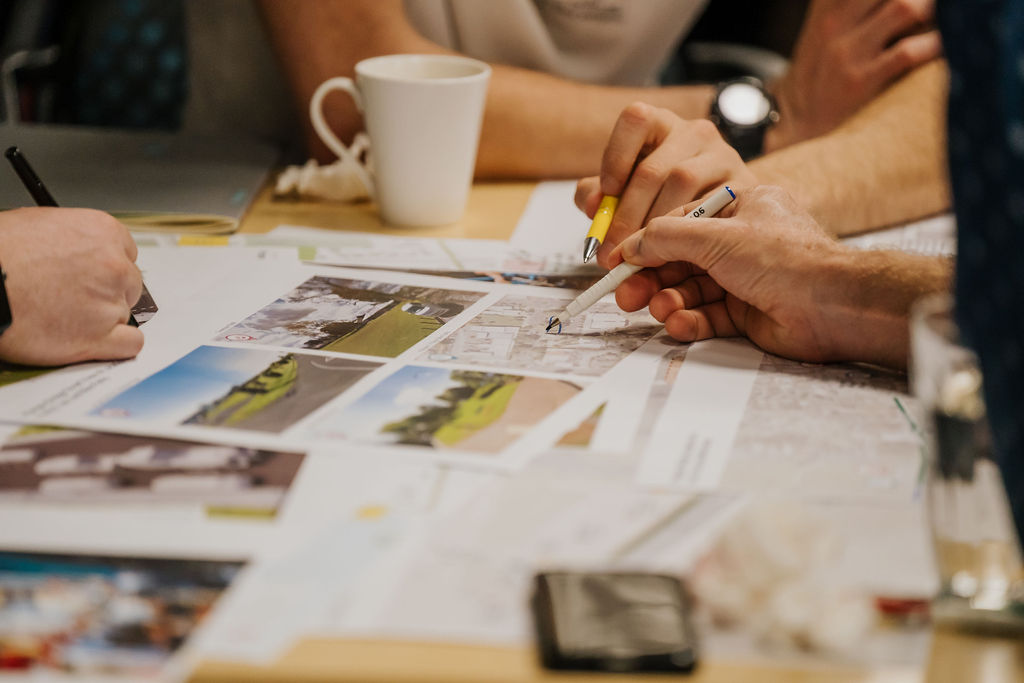
Involving community members in the design process helps projects respond to local needs, test trade-offs and build confidence in the decisions that follow.

Collaborative design processes built around project needs.

Crank works with project teams to understand what is fixed, what is flexible and where community input can genuinely influence the design. From there, we develop a collaborative design process that fits alongside technical work, internal reviews and project decision-making. This establishes clear parameters from the outset, so participants understand their role, what they can influence and how their input will be used.
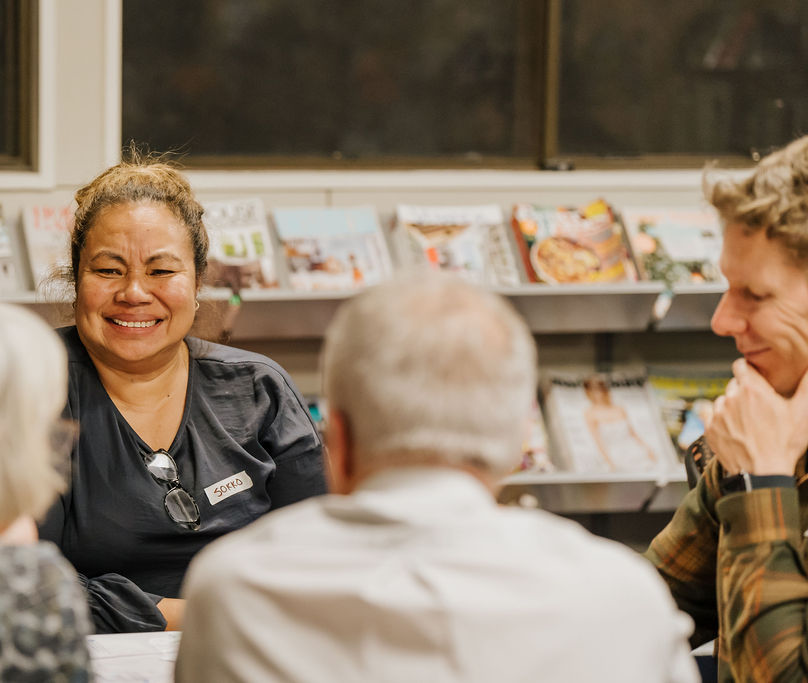
The right group of people around the table to give confidence to decision makers.

The value of collaborative design depends on who is involved. Crank identifies the perspectives, experiences and connections needed from within the project area, drawing on early stakeholder engagement and an understanding of community interests and influence. From there, we bring together a group that reflects the people, places and perspectives relevant to the project, giving decision-makers confidence that the design has been tested with the right people.

Relationships that maintain trust and participation throughout the process.

Collaborative design typically takes place over multiple workshops as the design develops. Crank maintains relationships with participants throughout, checking in individually to understand sentiment, emerging concerns and how people are experiencing the process. These insights help us prepare both participants and the technical team for each workshop, respond to issues as they arise, and shape the process so that people remain comfortable in their roles and confident that their contributions are being taken seriously.

Workshops that deliver a great experience for participants while achieving project needs.

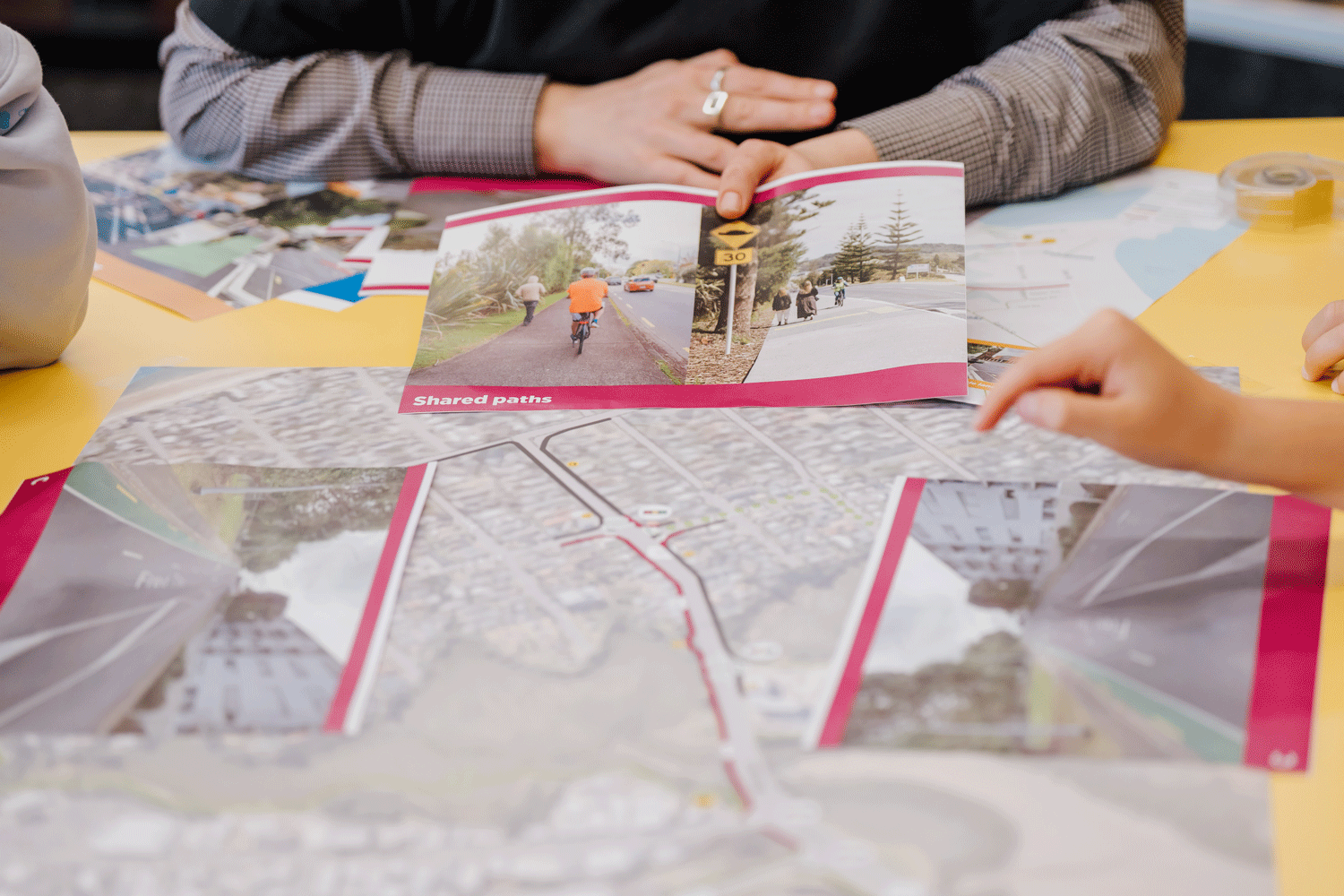
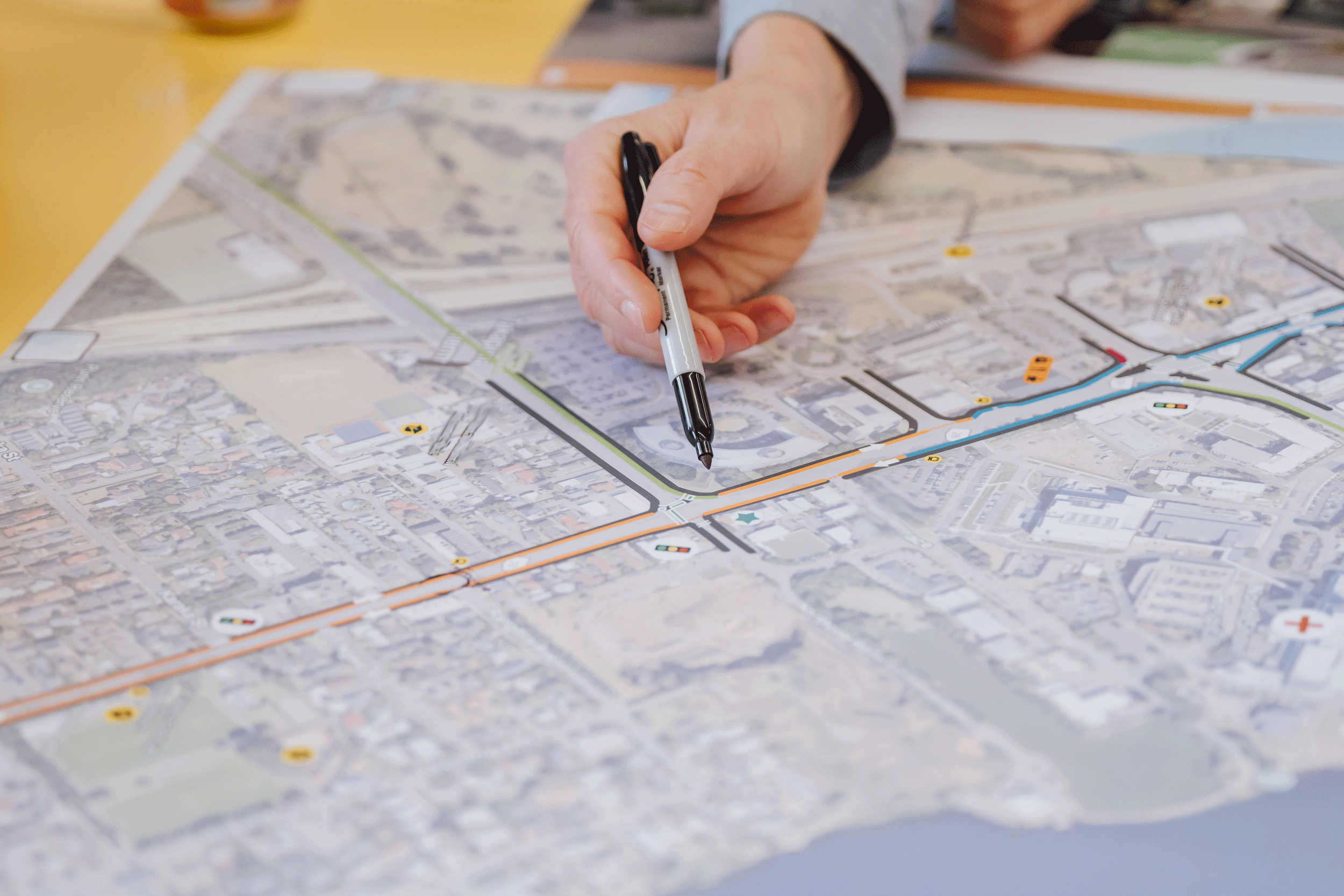
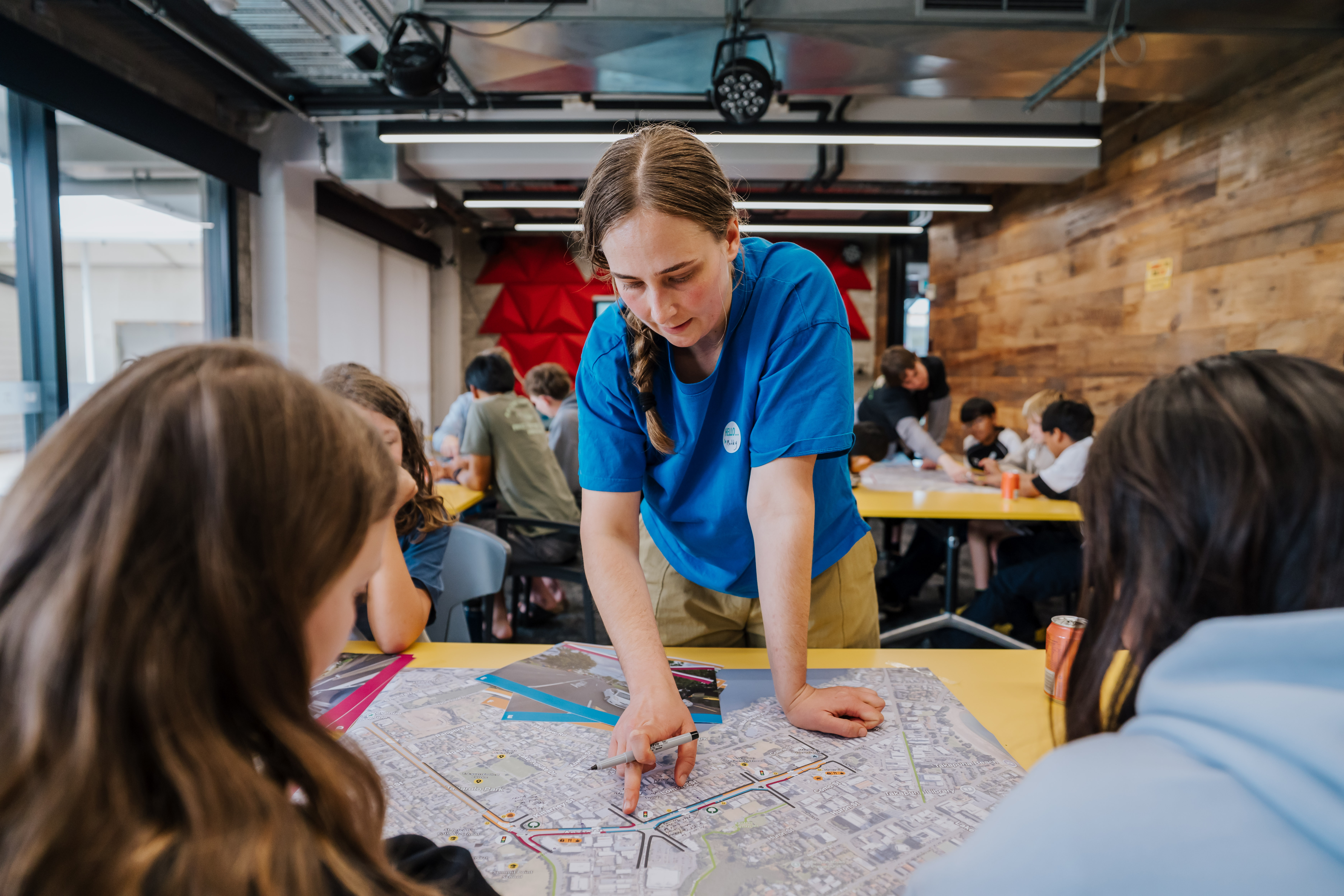
We plan and facilitate collaborative design workshops that create a great experience for participants while giving project teams the information they need to progress the design. We work closely with technical teams to turn complex designs, constraints and trade-offs into clear, engaging workshop content, then structure activities and discussions so participants can contribute meaningfully and different perspectives can be heard.

Wider stakeholder engagement that supports the design process.

While a dozen or more members of a community might come together in collaborative design workshops, many others will be impacted by or benefit from a project. We identify stakeholders who might need to be engaged, advise clients on relative importance and risk, and then undertake engagement to build relationships and trust in parallel with the collaborative design process.

Insights

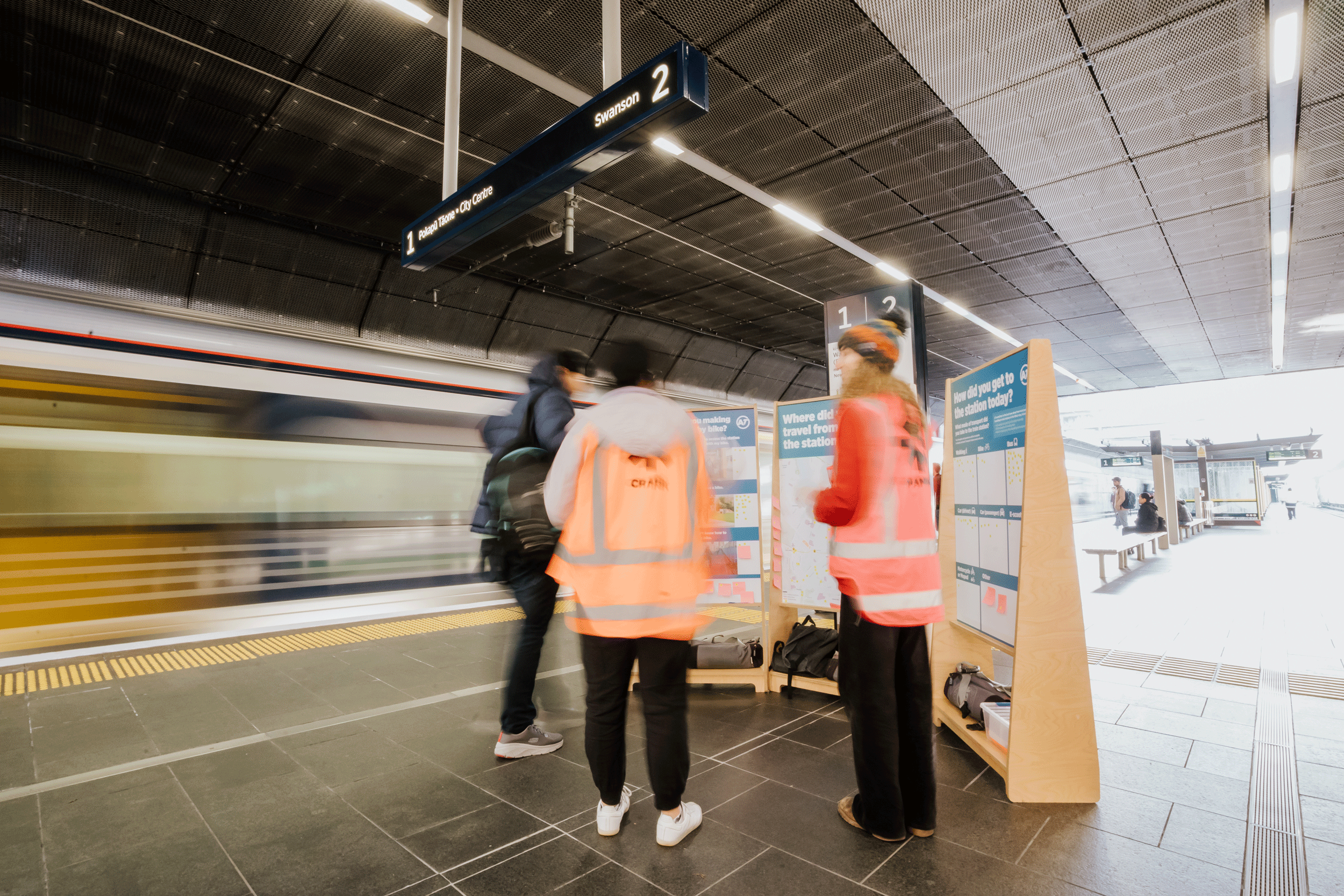
Understand how people travel, what matters to them and what gets in the way of choosing different transport options.

Explore Insights →

Consultation

Help communities understand a proposal, know what they can influence and provide feedback for project teams and decision makers.

Explore Consultation →

Construction

Keep communities informed, manage disruption and maintain relationships while change is happening on the ground.

Explore Construction →

Activation

Create well-timed programmes and experiences that build confidence, excitement and uptake before, during and after new transport infrastructure is delivered.

Explore Activation →

Get the community involved in your next project - reach out today.

Collaborative design involves locals in the design process and ensures the project meets the needs of the community.

Say hi!